
Month: June 2026

by admin admin No Comments

Founders Often Chase the Wrong Kind of Cool

Hospitality attracts ambitious personalities. That’s both one of the industry’s greatest strengths and one of its most dangerous vulnerabilities.

There’s nothing wrong with wanting to build something exciting. Hospitality has always attracted visionaries, creatives, connectors, tastemakers, performers, entrepreneurs, and highly social personalities. In many ways, the industry depends on people capable of imagining experiences emotionally before they ever exist physically.

But hospitality also has a dangerous tendency to romanticize visibility while underestimating operational reality.

That imbalance destroys more concepts than most people realize. Some founders build concepts they want to be seen in. Others build concepts they are actually equipped to sustain.

Those aren’t always the same thing.
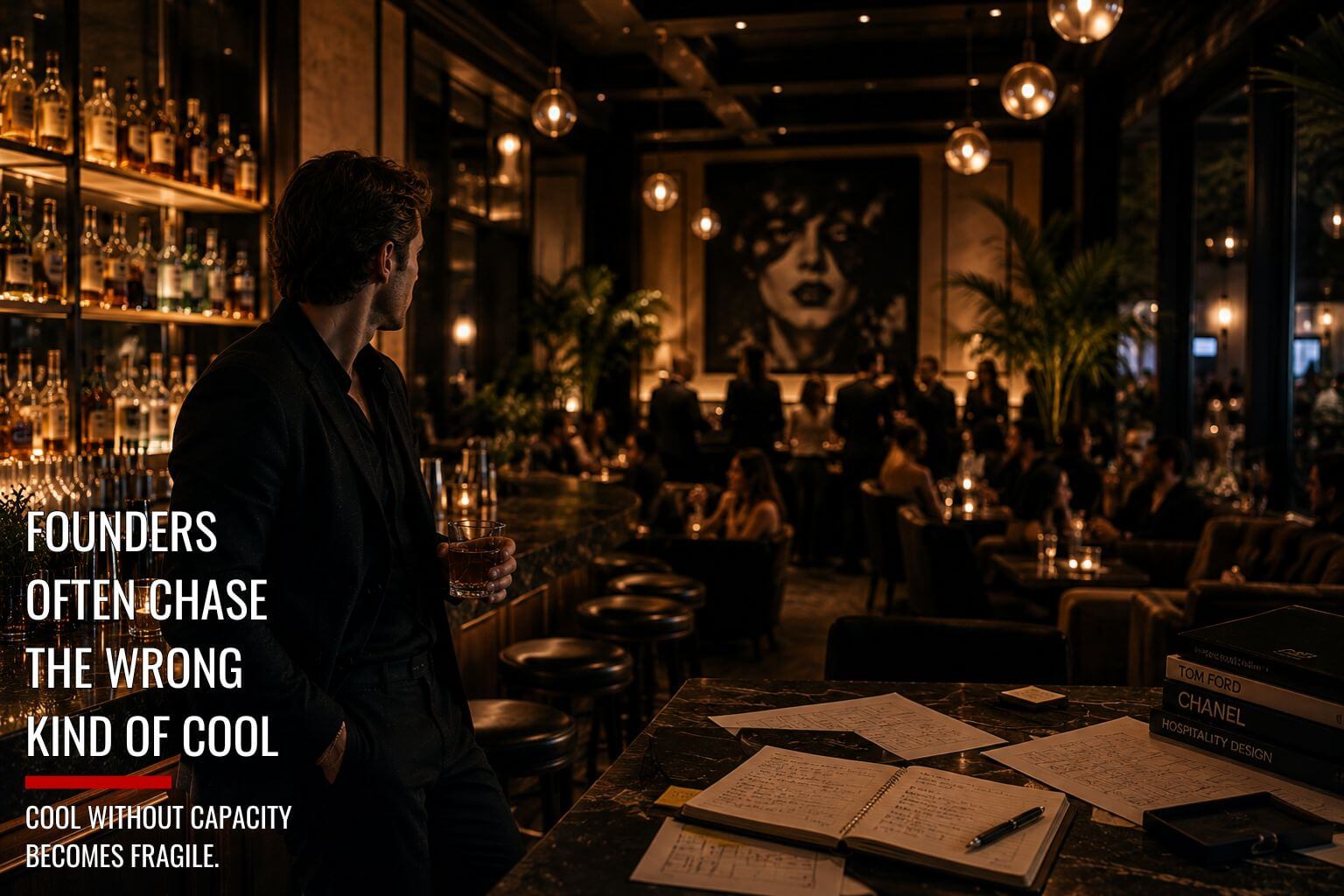
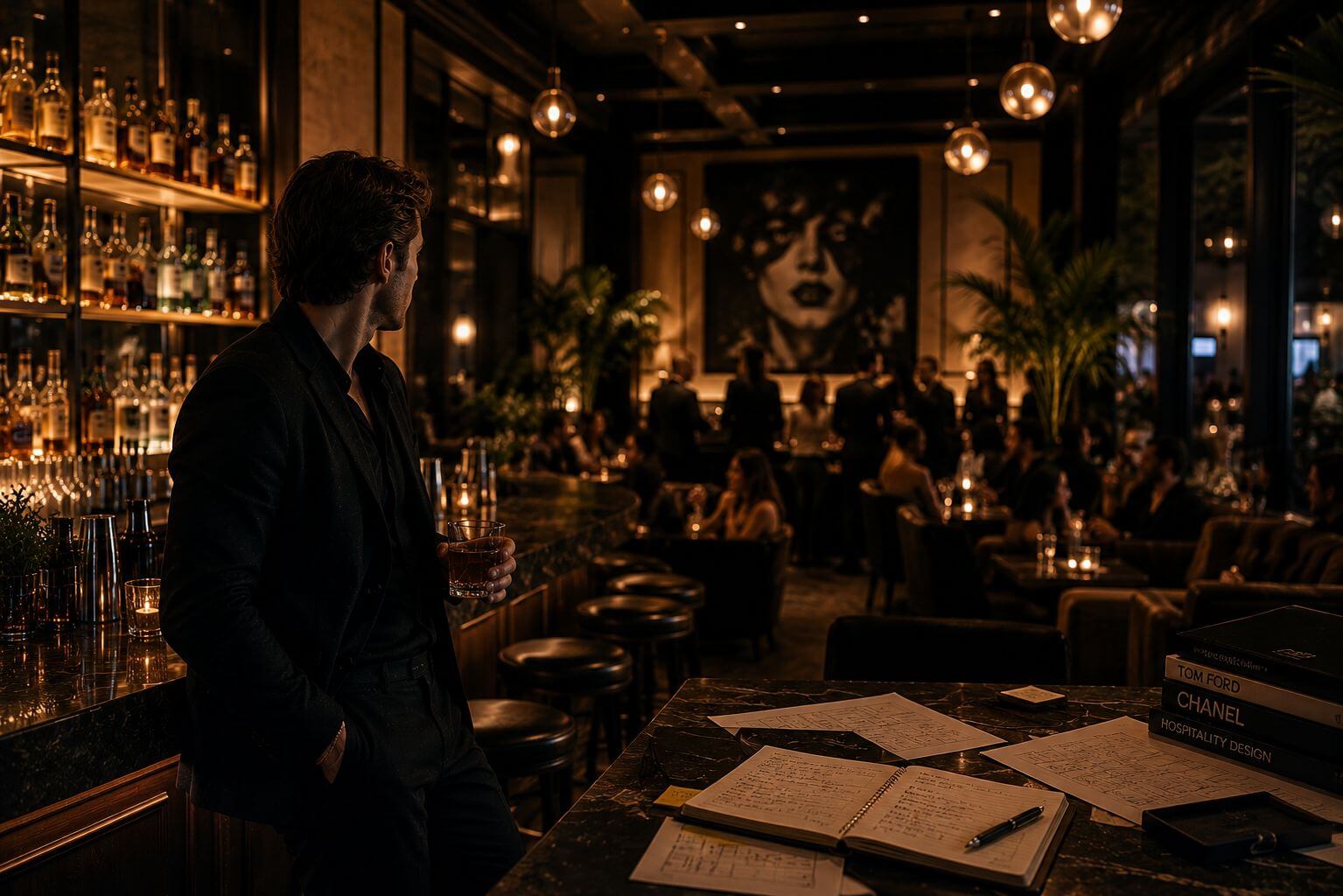
by David Klemt

AI-generated image


Because hospitality is such an emotionally expressive industry, founders often confuse:

  • admiration with capability
  • aesthetics with infrastructure
  • social validation with strategic alignment
  • attention with durability
  • “cool” with operational viability

The consequences can become expensive very quickly. Hospitality isn’t protected by aesthetics alone, it’s protected by operational maturity.

And operational maturity is learnable.

Founders Often Chase the Wrong Kind of Cool

A significant number of concepts are designed around identity projection rather than operational alignment. The founder wants the recognition, social positioning, and cultural relevance of the room they’ve designed. They want to be known for that space’s energy, and they crave what they think is the lifestyle associated with ownership.

However, wanting to be associated with a hospitality concept isn’t the same thing as being capable of operating one successfully. That difference becomes painfully visible under pressure.

Particularly in nightlife, operators often chase concepts that look exciting externally while underestimating staffing complexity, leadership pressure, emotional regulation, financial discipline, systems management and the consistency they require, conflict resolution, and operational exhaustion.

Hospitality can look glamorous from the guest side of the room. But the operator side? That looks very different.

Projection

Some concepts are less about guests and more about founder self-image expressed physically. The venue becomes a reflection of how the founder wants to be perceived: important, influential, sophisticated, culturally connected, and, increasingly, “disruptive.”

The problem is that identity projection rarely creates operational stability on its own. Guests may initially respond to confidence, aesthetics, or novelty, but long-term hospitality success depends on something much more difficult. For an operator be at the helm of a single stable location (not wildly successful, just stable), they must understand and focus on leadership, accountability (for themselves, not just their team), standards, consistency, systems discipline, and emotional steadiness.

Projection can attract attention. It can’t protect a concept from operational drift.

Identity Confusion

Some founders build concepts fundamentally misaligned with their actual temperament. That creates instability quickly.

A few examples:

  • Highly introverted founders attempting intensely social nightlife concepts
  • Emotionally reactive founders attempting luxury hospitality
  • Highly creative founders resisting operational structure
  • Disorganized founders building operationally complex programs
  • Socially-driven founders underestimating administrative responsibility

I really can’t stress this enough: hospitality amplifies personality patterns under pressure. The wrong concept paired with the wrong leadership temperament often creates cultural inconsistency, leadership volatility, staff confusion, operational chaos, and unpredictable guest traffic and behavior patterns.

Strong hospitality concepts require alignment between identity, leadership style, operational capacity, systems tolerance, and emotional endurance. Without that alignment, “cool” becomes fragile very quickly.

Aspirational Ego

Hospitality is full of aspirational admiration. And that isn’t an inherent negative, certainly. Operators find inspiration in legendary bars, iconic hotels, celebrated nightlife venues, and culturally significant hospitality groups. But admiration can quietly become dangerous when founders begin confusing inspiration with capability.

Admiring a hospitality brand doesn’t automatically mean said admirer is equipped to operate one. Some founders love the idea of high-touch luxury service while lacking the patience required to maintain standards consistently. Others love high-energy nightlife environments while lacking the emotional regulation required to lead teams through pressure repeatedly. Still others love the image of hospitality leadership while resisting the discipline hospitality leadership demands.

The operational implications become enormous over time, because hospitality eventually exposes the difference between performance and endurance.

Operator Misalignment

Some people should absolutely own hospitality concepts. That doesn’t, however, automatically mean they should operate them directly. This is an important distinction many founders resist emotionally.

Hospitality contains all manner of successful personalities: creatives, marketers, connectors, public-facing personalities, entertainers, investors, community builders, and tastemakers. And these people can become incredibly valuable founders. That said, operational leadership is its own discipline entirely.

Strong operators stabilize systems, standards, and staffing. They understand the importance of leading with accountability, consistency, clear communication, and execution under pressure. As important, they don’t just understand it, they live it.

Wanting ownership and being equipped to manage operational complexity aren’t identical skill sets, and realizing this truth isn’t weakness. This is maturity, and it’s real strength.

Lifestyle Fantasy

Hospitality is frequently romanticized by people who have never carried its operational weight. This is particularly true of nightlife. From the outside, nightlife often appears to be a world of status, recognition, exclusivity, social access, influence, and excitement.

Well, let’s stop the high-definition, slow-motion image of a well-dressed operator striding confidently through their incredible, sexy, packed nightclub. That’s a movie; I’m here to discuss reality.

And that reality consists of payroll pressure, staffing shortages, leadership strain, guest complaints, inventory control, licensing compliance, maintenance failures, financial unpredictability, and emotional fatigue. This is where many founders encounter reality for the first time, the lifestyle fantasy colliding with operational responsibility.

Responsibility is far less glamorous than visibility. I don’t care how slowly you play the scene of an operator with their head in their hands as they sift through metrics and P&Ls on their fourth day of very little sleep, that’s not sexy.

The operators who endure eventually stop chasing image and start protecting systems. That’s the beginning of stewardship.

Status Chasing

Status-chasing concepts often reveal themselves quickly. They over-spend on aesthetics, over-design environments, over-promise experiences, chase exclusivity theatrically, mimic trends aggressively, and prioritize visibility over infrastructure. In many cases, operators want the identity of hospitality success before building the operational foundation capable of supporting it. That creates fragile concepts; “cool” unsupported by systems eventually collapses under pressure.

The strongest hospitality brands aren’t built through image alone. They’re built through operational discipline, behavioral consistency, leadership maturity, strategic clarity and restraint, systems awareness, and stewardship. These brands have clarity around their identity, but they understand that’s just one element of the business. That clarity is difficult to fake.

Not Every Founder Should Run Operations

This may be one of the most important realizations in hospitality: not every founder needs to become the operator.

Some founders are extraordinary when it comes to vision, building relationships, community presence, cultural positioning, marketing, fundraising, and concept creation. That’s valuable. But successful hospitality ecosystems often emerge when founders recognize where operational leadership becomes necessary, and they intentionally empower people capable of stabilizing the business structurally. Hospitality rewards self-awareness far more consistently than ego.

The strongest founders are rarely the the people pretending to know everything. More often, they’re the people intentional enough to seek mentors, leadership development, experienced operators, strategic guidance, and operational accountability before preventable problems become structural failures.

Operational maturity isn’t reserved for people born systems-oriented. It can be learned intentionally, and founders who begin by chasing “cool” can eventually become exceptional hospitality leaders once they embrace structure, mentorship, operational discipline, and stewardship seriously.

Self-Awareness Is a Competitive Advantage

Self-awareness may be one of the most underrated advantages in hospitality. It may take a while, but this business eventually exposes ego, inconsistency, emotional volatility, lack of structure, leadership weakness, and operational avoidance. Simply put, hospitality is too operationally demanding to sustain illusion indefinitely.

Founders who understand themselves clearly tend to make better decisions. They pursue and enter into better partnerships. They make better hiring decisions, and build better operational structures. They leverage better strategic pacing, and they put their focus on better concept alignment. And, importantly, they tend to build concepts capable of surviving pressure instead of merely attracting attention.

The strongest hospitality concepts are rarely built from fantasy alone. They’re built from alignment between identity, operational capacity, leadership structure, systems discipline, standards, and stewardship.

Founders who chase attention often build fragile brands. Founders who understand themselves build brands capable of gravity.

Move beyond assumptions.

Cool may attract attention, but it doesn’t create a resilient business. The Nightlife Operator Intensive™ helps founders move beyond assumptions by evaluating the operational systems, strategic decisions, and leadership habits that determine whether attention becomes sustainable performance.
Related Reading

by admin admin No Comments

Why Some Venues Become Institutions

Most nightlife venues chase attention. Very few become part of people’s lives.

Nightlife has always been obsessed with visibility: packed opening weekends, viral moments, celebrity appearances, guest-list lines wrapped around the block, massive performer and resident DJ announcements, multi-million-dollar buildouts, production systems engineered to overwhelm the senses.

And to be clear, there’s nothing inherently wrong with any of that. Spectacle has always been part of hospitality, particularly nightlife. Some concepts are intentionally designed to feel larger than life because that emotional intensity is precisely what guests are seeking.

But visibility and institutional status aren’t the same thing. Some venues dominate attention for a season while others survive long enough to become embedded culturally. They stop functioning as “just venues” and begin functioning as part of how people experience a city, a neighborhood, or a period of their lives. That’s a very different kind of gravity.

Institutional status isn’t built through visibility alone. It emerges when attraction, trust, memory, consistency, and cultural relevance survive long enough to become embedded behavior. And importantly, institutions are not defined by age, fame, price point, or production budget.

They’re not automatically old, recognized globally, expensive, critically acclaimed, impossible to access, or designed for mass appeal. Some institutions are globally visible, but others quietly shape local culture for decades without ever appearing on a “Top 50” list. Some are massive, spectacle-driven nightlife venues. Others are cocktail bars with fewer than 50 seats.

It isn’t the format that matters. What matters is endurance, because endurance is engineered.

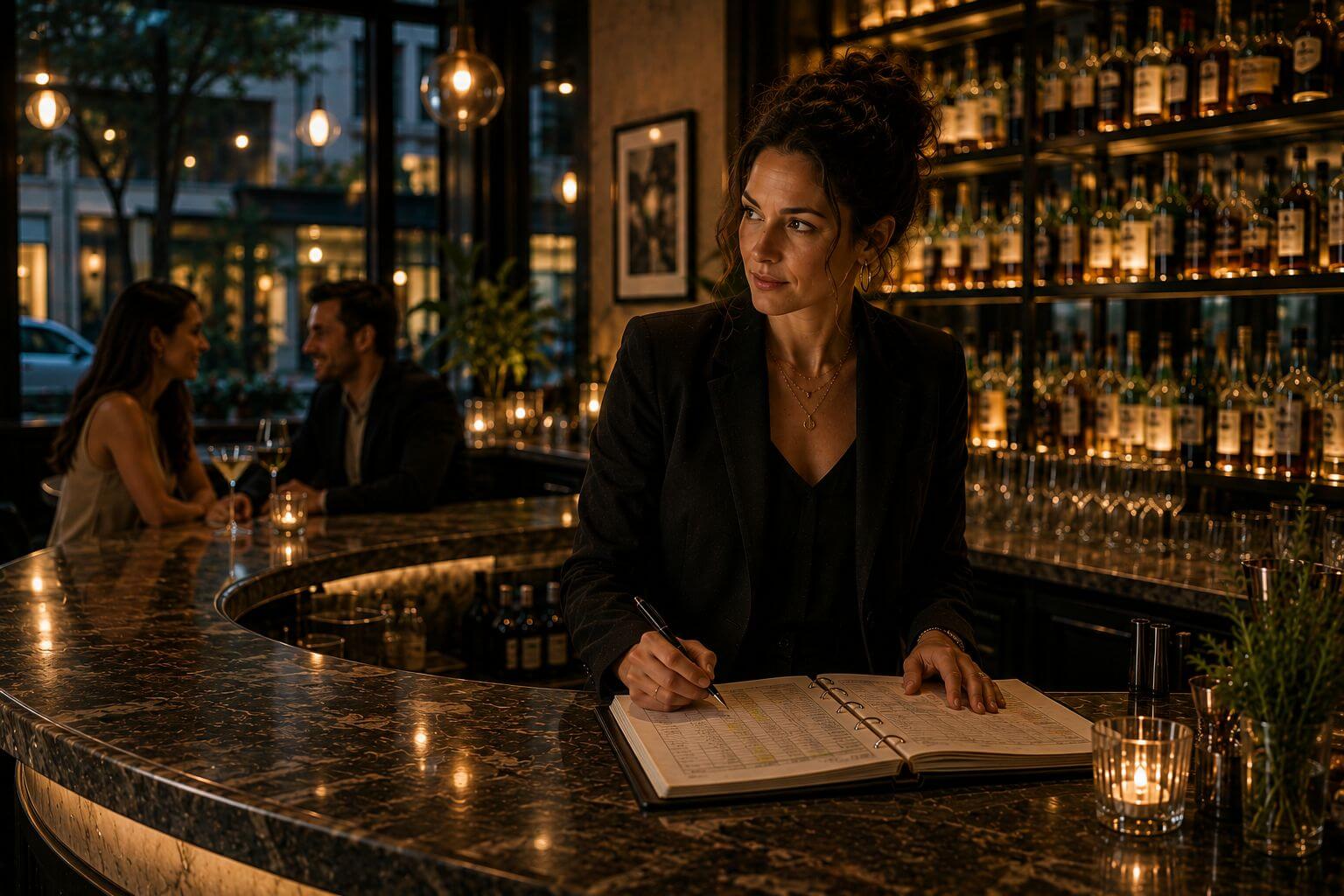
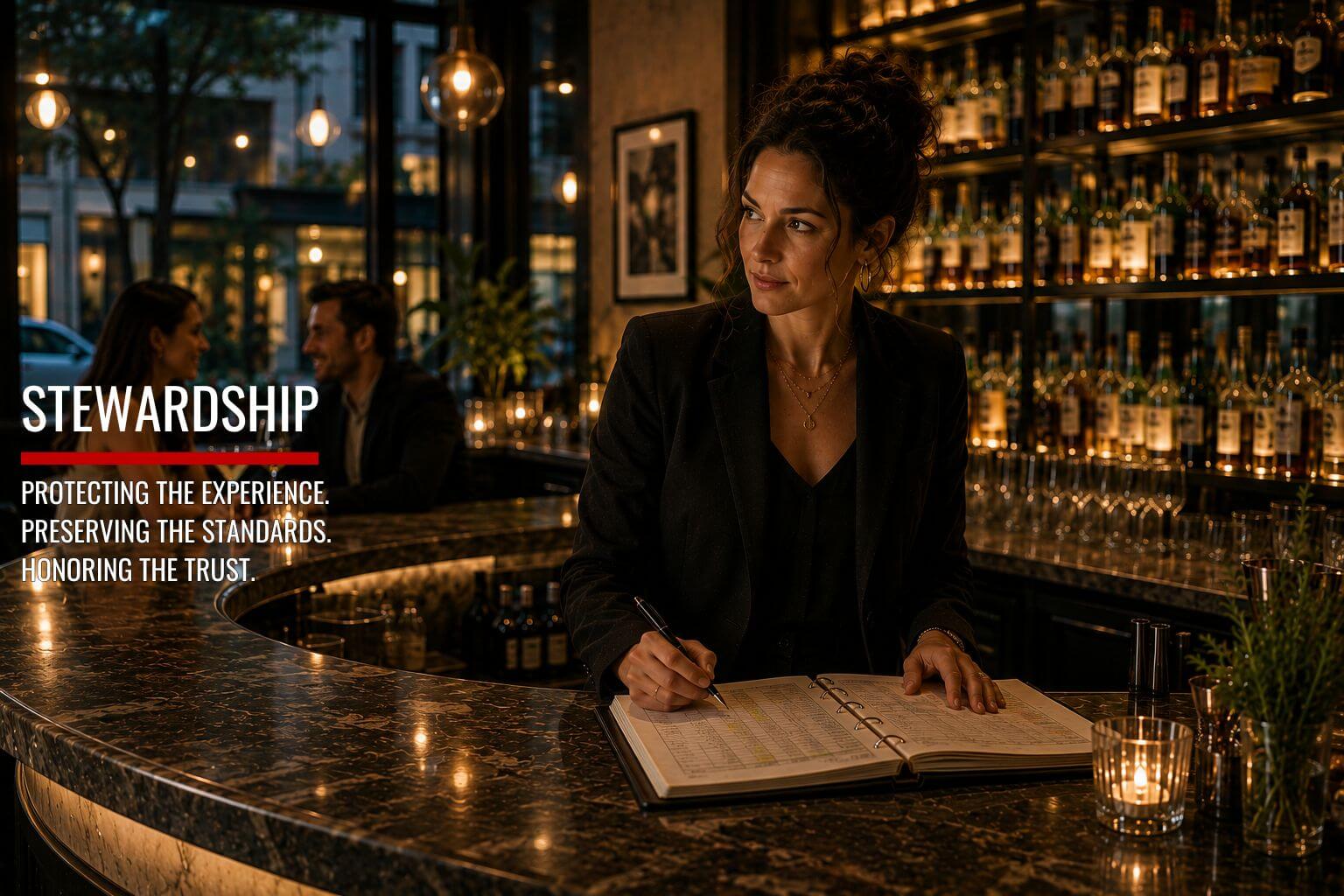
by David Klemt

AI-generated image

Attention isn’t the same as permanence.

The nightlife industry often confuses hype with durability. That confusion is understandable. Attention is measurable, attention is visible, and attention creates momentum. Momentum can be intoxicating for operators, investors, media outlets, and guests alike.

But attention alone does not create institutional trust. A packed venue can still be fragile culturally. A venue that receives endless social media coverage can still disappear within a few years if identity, standards, and operational consistency erode underneath the visibility.

This is where many operators misunderstand the relationship between spectacle and institutionalization. Spectacle and scene describe how nightlife venues generate energy. Institutional status describes what happens when that gravity survives long enough to become culturally embedded. That distinction matters because spectacle concepts absolutely can become institutions.

In fact, one of the clearest modern examples may be OMNIA Nightclub inside Caesars Palace. OMNIA opened in 2015 with one of the most recognizable production installations in nightlife: a massive kinetic chandelier system reportedly valued at around $10 million (to say nothing of what it costs to program and operate nightly). The venue embraced spectacle unapologetically; scale, production, lighting, celebrity talent, and sensory intensity were all central to the experience.

And yet, more than a decade later in Las Vegas nightlife years (which can feel like several lifetimes), the brand continues expanding. Recently, OMNIA added the 46,000-square-foot OMNIA Dayclub & Skybar concept, also within Caesars Palace.

That matters, and not because expansion automatically validates quality. It matters because sustained relevance at that level is extraordinarily difficult to maintain.

Large-format spectacle venues operate under relentless pressure:

  • escalating guest expectations
  • programming intensity
  • talent acquisition costs
  • operational complexity
  • maintenance costs
  • trend volatility
  • constant competition for attention

Spectacle concepts can become institutions, but doing so requires immense operational discipline, financial endurance, systems maturity, and cultural adaptability under pressure.

The easiest thing in nightlife is opening loudly. Remaining relevant after the novelty fades is an entirely different challenge.

Every City Has Soft Institutions

At the same time, institutional gravity doesn’t belong exclusively to large-format concepts. Every city has venues locals recommend differently.

When visitors ask where they should go, people usually begin with the obvious answers: the famous and award-winning venues, the places dominating social media, and the spots tourists already know by name. But if the conversation continues long enough, something interesting happens.

The recommendations become more personal. They become more specific, and more trusted.

This is when locals begin mentioning the venues that quietly hold parts of the city together socially. The places that rarely disappear from recommendation lists even if they’re not constantly dominating headlines. These are what I think of as soft institutions.

Soft institutions may not command global attention, but they become behaviorally permanent within their markets. Guests return to them repeatedly because trust compounds over time.

These venues often become:

  • after-shift gathering places
  • first-date locations
  • neighborhood anchors
  • reunion spots
  • industry hangouts
  • emotional reference points within a city

They become woven into people’s routines and memories.

Importantly, soft institutions are rarely built through aggressive hype cycles alone. They’re usually built through consistency, familiarity, hospitality standards, identity clarity, and operational steadiness over long periods of time. Many operators underestimate how powerful that kind of gravity can become because it compounds quietly rather than theatrically.

But quiet gravity is still gravity. In many cases, it lasts far longer than spectacle-driven momentum.

Precision Institutions

There’s another category of institutional hospitality that deserves attention as well: precision institutions. These are venues or hospitality groups that institutionalize through standards, stewardship, experiential consistency, and disciplined expansion.

One of the strongest examples in modern hospitality may be Death & Co.. When Death & Co. opened in New York at the end of 2006, it did not immediately expand into a multi-market hospitality ecosystem. In fact, years passed before additional locations appeared. Industry influence vastly exceeded physical footprint for a long time.

That patience is significant. Institutionalization isn’t always about scaling quickly. Sometimes, it’s about protecting trust long enough for gravity to compound naturally. Over time, the Death & Co. ecosystem expanded carefully into additional markets, new concepts, hotel partnerships, and lifestyle extensions. But importantly, the brand didn’t simply copy and paste New York into every market.

That would’ve been easier. At least, it would appear that way on paper. Instead, each expansion reflected the identity and context of its market while still preserving the operational philosophy, standards, and experiential expectations associated with the brand itself. That’s a very different form of scaling.

Weak operators often attempt to scale aesthetics. Strong operators scale identity systems. There’s a difference between replicating a room and transferring a philosophy, and that distinction is one of the clearest markers of stewardship in hospitality.

Institutions aren’t preserved accidentally, they’re protected intentionally.

Stewardship Is What Protects Gravity

Most hospitality conversations focus heavily on creation: opening, branding, launch momentum, concept design, social media visibility, and expansion. Far fewer discussions focus on stewardship, and that’s a mistake. Many hospitality brands don’t collapse during launch; they collapse after success arrives.

Growth introduces pressure. There’s operational fatigue and identity drift. Operators must constantly monitor for and address leadership dilution, inconsistent standards, and cultural erosion. A broadening audience introduces financial pressure across the operation. And the temptation to expand and even over-expand can be the death knell of an otherwise successful business.

Stewardship is the discipline that protects a concept from collapsing under its own momentum. And stewardship often looks less glamorous than growth.

Sometimes stewardship means:

  • slowing expansion
  • protecting standards
  • refusing to chase trends
  • saying no to misaligned opportunities
  • documenting systems
  • preserving training quality
  • reinforcing identity repeatedly
  • evolving carefully instead of reactively

The venues that endure rarely survive accidentally. They survive because leadership protects trust aggressively once that trust has been earned.

That applies equally to nightlife venues, cocktail bars, lounges, boutique hotels, hospitality groups, and hospitality ecosystems. The formats may differ, the pressures may differ, but gravity always requires protection.

Institutions Are Built Through Behavioral Permanence

The strongest hospitality institutions eventually achieve something more powerful than popularity: they achieve behavioral permanence. People stop merely “checking them out” and begin integrating them into their routines, rituals, traditions, celebrations, recommendations, memories, and identity. That transformation is difficult to manufacture artificially because it requires time, consistency, emotional trust, and operational reliability to compound simultaneously.

And importantly, institutions aren’t always the loudest venues in a market. Sometimes they are, of course, but sometimes they’re quieter. Some institutions dominate skylines and social feeds. Others quietly shape local culture for years without needing constant validation from media cycles or awards systems.

What unites them isn’t aesthetic similarity, it’s gravity that survived pressure long enough to matter culturally. That’s the difference between attention and permanence, and permanence is one of the rarest achievements in hospitality.

Build something that lasts.

Institutions aren’t built through marketing campaigns or one exceptional season. They emerge when leadership, operations, guest experience, and brand consistently reinforce one another over time. The Nightlife Operator Intensive™ helps operators evaluate those systems, identify where gravity is being strengthened—or weakened—and develop a clearer path toward long-term relevance.

Related Reading

Top