
Two Experiences. One Stronger Nightlife Destination.
The Scope
KRG Nightlife Intensive. Brand Repositioning, Concept Reinvention, Beverage Programming, Guest Experience, Entertainment, and Operational Systems.
The Overview
+23%
VIP and Table Revenue
+19%
Average Guest Spend
+38%
Resort Guest Nightlife Visits
The hotel and resort property already had the destination. It already had the guests.
What it needed was a more compelling nightlife experience.
An established nightclub and its upstairs ultra-lounge had the potential to become two distinctive entertainment destinations within one property.
Instead, their identities had become blurred, programming lacked consistency, and opportunities to capture guest spending were being missed.
The transformation began with a simple question. What if every space had a clearer purpose, and every guest had a stronger reason to stay longer?
The Brief
An established resort property in New York State wanted to reposition its existing nightlife venues.
The operation included a high-energy nightclub and a separate upstairs ultra-lounge, each with an established physical environment and potential audience.
Both spaces had become familiar to existing guests. But their offerings lacked the differentiation and coordinated programming needed to maximize their commercial potential.
The ownership and resort leadership team wanted a refreshed nightlife identity that would better complement the broader property.
That meant rethinking the two concepts, strengthening beverage programming, developing branded entertainment experiences, and improving operating systems.
KRG Nightlife’s role was to connect the creative direction with a financially viable strategy and practical execution standards.
The goal here was to make both venues feel new again, while ensuring the operations behind them could support the experience.
The Opportunity
The resort had a valuable advantage over other nightlife operators in the region.
An existing audience was already spending time and money on the property. Yet the nightclub and lounge were not fully capitalizing on that opportunity.
The Pressure Test highlighted weaknesses in market positioning, internal guest capture, programming, beverage identity, and experience consistency.
The nightclub remained dependent on event-driven traffic. The upstairs lounge lacked a sufficiently differentiated offer to establish itself as a destination in its own right.
Drink menus were not doing enough to reinforce the concepts. Branded experiences lacked recognizable rituals, while operating standards varied across teams and service periods.
There was also an opportunity to strengthen the connection between nightlife and the wider resort guest journey.
The property needed to convert more of its existing audience into nightlife guests, while giving local visitors stronger reasons to choose the destination.
The Clarity
Two Venues Needed Two Different Personalities.
KRG helped establish clearer positioning for the nightclub and the upstairs ultra-lounge.
The nightclub was reimagined around high-energy entertainment, visual impact, music, and premium nightlife experiences.
The ultra-lounge took a more refined direction, emphasizing elevated cocktails, social connection, intimate programming, and a more controlled atmosphere.
Both concepts were designed to complement each other without competing for exactly the same guest occasion.
The distinction gave visitors greater choice while supporting longer stays and additional spending opportunities.
The Rebrand Had to Extend Beyond a New Identity.
The concept work connected visual branding with the experience guests would encounter.
Music direction, lighting, arrival sequences, staff presentation, beverage programming, and promotional messaging were aligned with the positioning of each venue.
The nightclub needed a stronger sense of occasion. The ultra-lounge needed a more distinctive reason to choose it over other resort experiences.
The work gave each venue a recognizable personality while connecting both to the property’s overall entertainment strategy.
Beverage Programming Became Part of the Entertainment.
The beverage strategy was restructured to support the different demands of each space.
The nightclub prioritized efficient production, premium bottle service, signature presentation, and higher-volume cocktail execution.
The ultra-lounge introduced a more curated approach to cocktails, premium spirits, and personalized service.
Recipes, specifications, pricing, and beverage controls were standardized. Menu engineering focused on contribution margins, practical execution, and stronger opportunities for premium purchasing.
The objective was to make beverage service part of what guests remembered about the experience.
Nightlife Rituals Created Moments Guests Could Anticipate.
KRG helped develop more consistent experience-led programming.
Signature welcome moments, coordinated music transitions, table-service presentations, and branded rituals gave the nightlife venues recognizable points of difference.
Rather than relying entirely on headline events, the strategy introduced experiences that could be repeated across ordinary trading nights.
These moments helped reinforce the concepts while giving guests reasons to participate, celebrate, and return.
The important distinction was consistency. A memorable experience should not depend entirely on the personality of one DJ, bartender, or manager.
The Brand Needed to Travel Beyond the Venue.
The repositioning introduced opportunities for branded merchandise and additional guest engagement.
Select apparel, accessories, and limited-run merchandise were considered extensions of the nightlife identities.
The goal was to turn guest enthusiasm into greater brand recognition and an additional commercial opportunity.
The merchandising strategy complemented the venue experience rather than becoming a distraction from it.
The Resort Guest Journey Became Part of the Strategy.
The nightlife venues were integrated more deliberately into the broader resort experience.
Internal promotion, front-desk and concierge awareness, restaurant referrals, guest packages, and clearer venue information helped connect existing resort visitors with evening entertainment.
The approach was designed to improve the conversion of in-house guests into nightlife customers.
It also supported a stronger relationship between the resort’s daytime and evening experiences.
Systems Made the Reinvention Repeatable.
Behind the creative work, KRG focused on stronger operating discipline.
Service procedures, VIP reservations, table management, beverage preparation, inventory, guest recovery, staff training, and leadership expectations were refined.
Performance reviews connected financial results with guest experience and operational execution.
Coaching supported managers in reinforcing the new standards and developing the teams responsible for delivering them.
The objective was to protect the investment in the rebrand through consistent performance.
The Results
The repositioning here created two clearly defined nightlife concepts with stronger connections to the resort’s wider guest experience.
The monthly VIP and table revenue increased 23%, from approximately $78,000 to $96,000, supported by stronger premium experiences and improved table-service programming.
Average guest spend increased 19%, from $62 to approximately $74, reflecting improved beverage mix, guest engagement, and more effective premium offerings.
Verified resort guest nightlife visits increased 38%, from approximately 660 to 910, supported by improved on-property awareness and integration with the guest journey.
Beyond the financial improvements, the two venues established stronger individual identities.
The nightclub offered a more recognizable, high-energy entertainment experience.
The ultra-lounge provided a distinctive premium environment with its own appeal.
Teams gained clearer standards and expectations. Leadership gained stronger systems for managing performance. The resort gained a more integrated nightlife strategy capable of capturing additional guest spending while creating memorable experiences.
The transformation was never just about a new brand or a different drink menu.
It was about making both venues desired destinations in their own right, and building the systems to ensure the experience could be delivered night after night.
The Next Steps
The Scorecard
Uncover hidden performance gaps, overlooked revenue opportunities, and strategic priorities across your entire nightlife business in just a few minutes.
The Intensive
Connect strategy, operations, hospitality, leadership, and revenue through a practical 12-month plan supported by expert coaching and ongoing accountability.
The Podcast
Hosted by David Klemt, the Bar Hacks podcast features more than 150 conversations with operators, founders, educators, executives, and innovators.
Related Work
Case Study
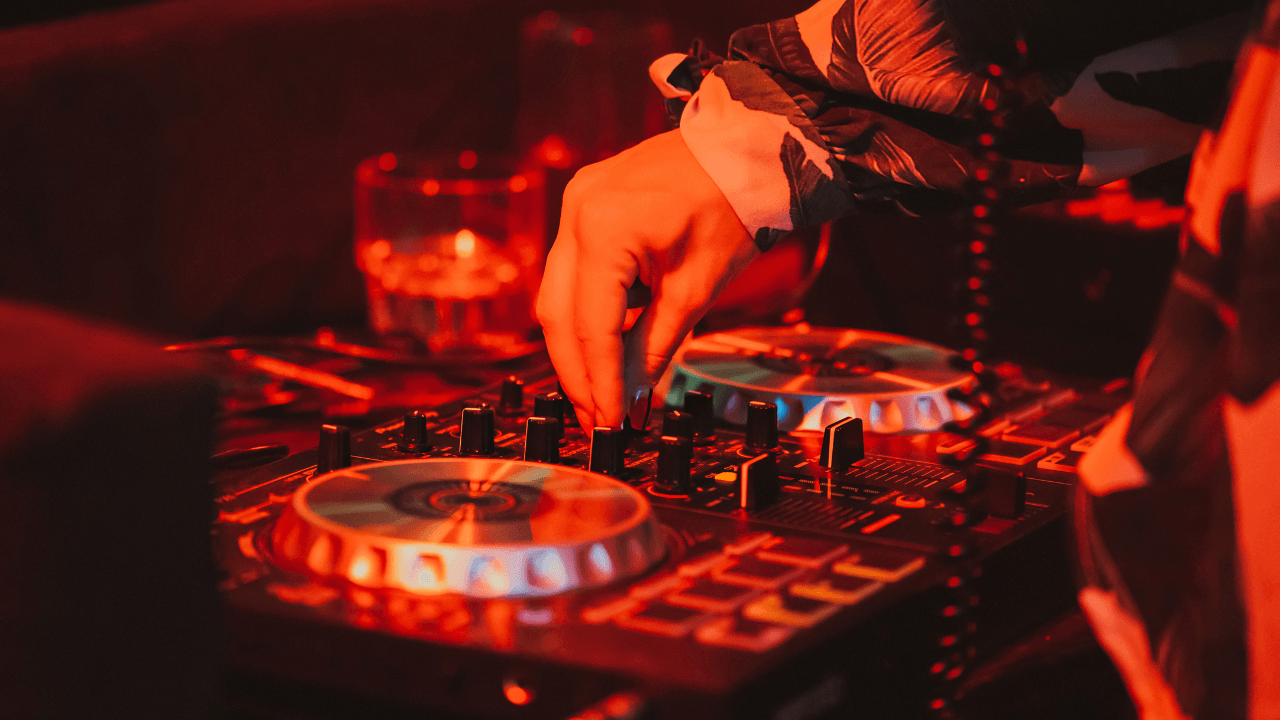
See how a West Coast nightlife group refocused from 14 to 12 clubs, aligned leadership, standardized operations, and strengthened long-term performance.
Case Study
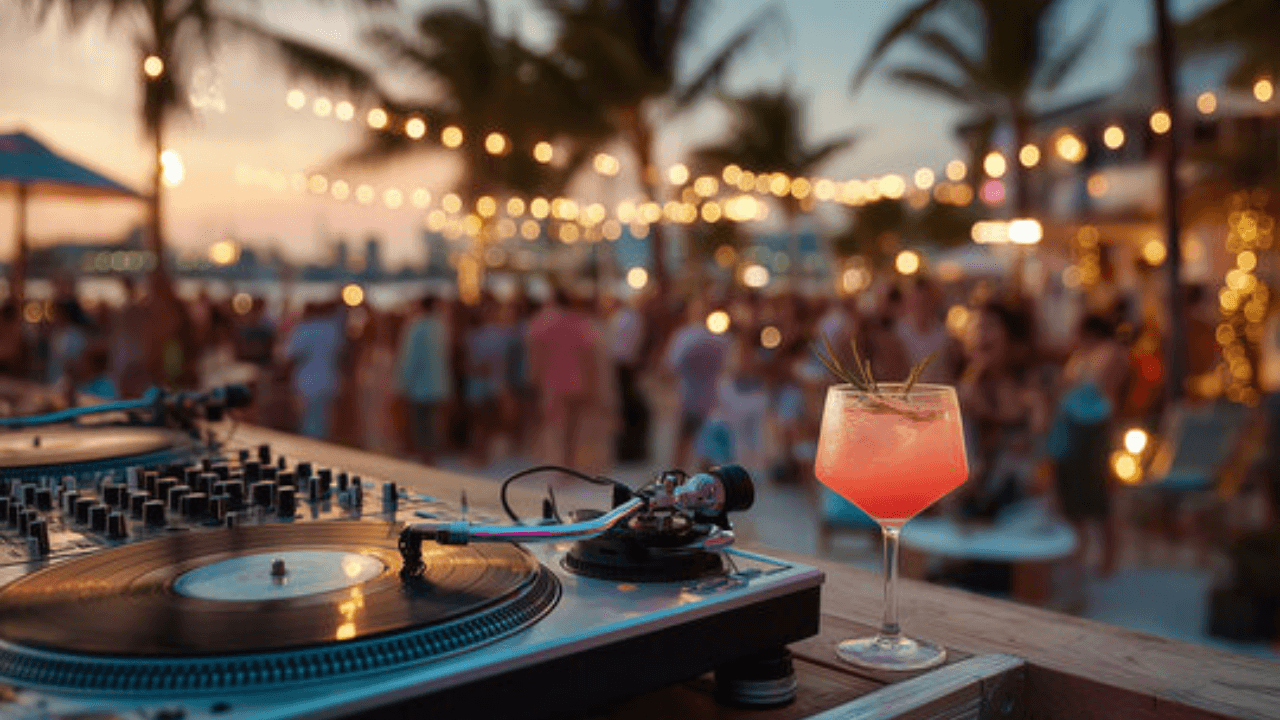
How a Florida cocktail bar moved beyond stagnation through storytelling, fresh seafood, signature cocktails, guest programming, and operational standards.