
A Coastal Cocktail Bar Finds Its Next Chapter
The Scope
KRG Nightlife Intensive. Brand Reinvention, Beverage Engineering, Guest Experience, Programming, and Operational Systems.
The Overview
+18%
Average Guest Spend
-6.2 Pts
Beverage COGs
+27%
Off-Peak Guest Visits
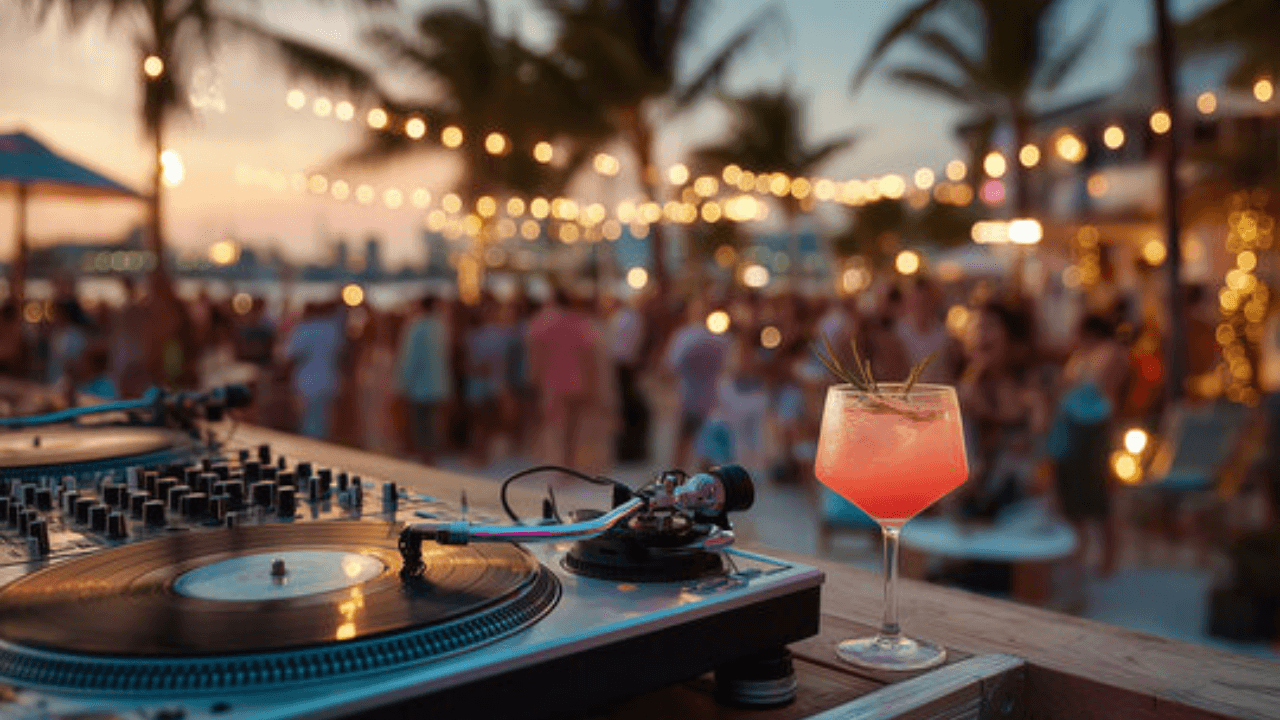
The location was strong. The cocktails were familiar. The regulars still came.
But familiarity was becoming the problem.
In a Florida coastal market increasingly crowded with cocktail bars, waterfront restaurants, and new entertainment options, one established venue was slowly losing its edge.
The opportunity here was to rediscover what made the bar special, give guests new reasons to return, and build the operational structure to deliver that experience consistently.
The Brief
The ownership team had built a recognizable cocktail bar in a mid-size Florida coastal city. It had history, a loyal guest base, and an established presence in the local hospitality scene.
What it lacked was recent-day momentum.
Revenue had plateaued. Guest expectations were changing. New competitors were introducing fresh experiences, while the bar’s food, beverage, and entertainment offerings had become increasingly predictable.
Ownership wanted to reinvigorate the brand without abandoning the identity that had made it successful.
KRG Nightlife’s mandate was to assess the business, identify the barriers to growth, and develop an actionable reinvention strategy.
The objective extended beyond a refreshed menu or another promotional calendar. It was to make the venue relevant again, improve its financial performance, and create a more dependable operating business.
The Opportunity
The bar had many of the ingredients of a successful coastal destination. Its location attracted visitors to the area. Its team understood hospitality. Its existing reputation gave it an advantage over newer competitors. But those advantages were no longer translating into meaningful growth.
The initial assessment revealed several connected challenges.
The brand lacked a compelling story beyond its coastal location. Its cocktail menu offered familiar choices but few distinctive signatures. Entertainment was scheduled around availability rather than an intentional guest experience strategy. The food menu relied on convenience instead of celebrating the surrounding region.
Behind the scenes, inconsistent operating standards, beverage controls, inventory practices, and staff development were limiting margins.
The most important finding was that the business had become too dependent on existing habits.
Guests had reasons to visit occasionally. They needed stronger reasons to choose it repeatedly.
The Clarity
The Problem Wasn’t the Location. It Was the Positioning.
KRG’s Pressure Test examined market competitors, guest behavior, brand perceptions, revenue patterns, menu performance, and operating practices.
The assessment shifted the conversation away from simply attracting more people.
The real opportunity was to make the brand more meaningful to the people already within reach.
The strategy focused on local authenticity, elevated but approachable hospitality, and stronger connections to the community.
The Coastal Story Became the Experience.
The reinvention introduced a clearer narrative celebrating the character of coastal Florida.
That story influenced menu descriptions, service language, entertainment, community partnerships, and guest touchpoints.
The goal was not another themed beach bar. It was a cocktail-driven destination with a distinctive personality and an experience guests could remember and share.
Fresh Food Became a Competitive Advantage.
The food program was redesigned around locally sourced seafood, fresh ingredients, and a simplified culinary offer. Nothing here was frozen any longer.
Instead of a large menu competing with full-service restaurants, the bar introduced a focused selection of coastal dishes, seafood-forward small plates, and shareable experiences.
The approach required disciplined purchasing, controlled portions, daily preparation standards, and stronger supplier relationships.
Freshness became part of the brand promise. Operational controls made that promise financially sustainable.
Every Cocktail Needed a Reason to Exist.
The beverage program was rebuilt around a smaller collection of distinctive cocktails that reflected the brand’s coastal identity.
Recipes were standardized. Ingredients were cross-utilized. Pricing and portions were engineered for contribution margin, not simply popularity.
Signature drinks introduced more compelling presentation and storytelling without sacrificing speed of service.
Bartenders received clearer standards and the knowledge to explain the products they were serving.
The result was a program that supported both guest spending and beverage profitability.
Entertainment Became Programming, Not Background Noise.
Previously, entertainment filled dates on a calendar.
The new strategy gave each activation a purpose.
Live music, local collaborations, seasonal experiences, and intimate cocktail-focused events were organized around target guest occasions.
Particular attention went to slower trading periods and building stronger relationships with year-round residents.
The objective was to create reasons to visit beyond Friday and Saturday nights.
Stronger Systems Protected the New Experience.
A reinvention would achieve little if the guest experience changed depending on who was working.
KRG introduced clearer service standards, beverage specifications, inventory controls, shift procedures, labor planning, and performance reporting.
Leadership coaching supported the transition from reactive problem-solving to consistent execution.
Managers gained a clearer understanding of what successful shifts needed to look and feel like, along with the financial measures behind them.
The Results
In simple terms, the engagement created a more distinctive hospitality offer supported by stronger operating discipline.
The average guest spend increased 18%, from $50 to $59, reflecting stronger beverage attachment, more intentional menu engineering, and higher-value guest experiences.
Beverage cost of goods sold improved from 33.4% to 27.2%, a reduction of 6.2 percentage points through standardized recipes, purchasing controls, and improved product mix.
Average Sunday through Thursday guest visits increased 27%, from 220 to 279 per week in comparable trading periods, reducing dependence on weekend and seasonal demand.
More importantly, the bar established an operating model capable of supporting its refreshed identity. The team had a stronger story to communicate. The menu had a clearer commercial purpose. The experience offered guests something worth returning for.
And ownership had systems to protect the business as it continued to evolve.
The Next Steps
The Scorecard
Uncover hidden performance gaps, overlooked revenue opportunities, and strategic priorities across your entire nightlife business in just a few minutes.
The Intensive
Connect strategy, operations, hospitality, leadership, and revenue through a practical 12-month plan supported by expert coaching and ongoing accountability.
The Podcast
Hosted by David Klemt, the Bar Hacks podcast features more than 150 conversations with operators, founders, educators, executives, and innovators.
Related Work
Case Study

See how a West Coast nightlife group refocused from 14 to 12 clubs, aligned leadership, standardized operations, and strengthened long-term performance.
Case Study

Explore how a New York resort reimagined its nightclub and ultra-lounge with distinct concepts, premium cocktails, signature experiences, and stronger systems.